Westchester Power Washing transparent logo Service Areas

Westchester Power Washing

(914) 490-8138
  • Power Washing
    • Pressure Washing
    • Soft Washing
    • Power Washing vs Soft Washing
  • Home Washing
    • Roof Washing
    • Driveway Washing
    • Walkway Cleaning
    • Brick, Stone and Paver Washing
    • Patio and Deck Washing
    • Outdoor Furniture Cleaning
    • Fence Washing
    • Gutter Cleaning
  • Areas Served
  • Gallery
  • About Us
    • Blog
    • Reviews
    • Contact Us

Don’t Delay to Remove Tiger Stripes from Your Gutters

Tiger stripes, sometimes also called zebra stripes, are an ugly phenomenon that can mar the appearance of any gutter. As their pithy name implies, tiger stripes are irregular black streaks that form on the side of gutters and siding. The best way to prevent them from causing staining or other damage is to remove tiger stripes without delay or to prevent them in the first place.
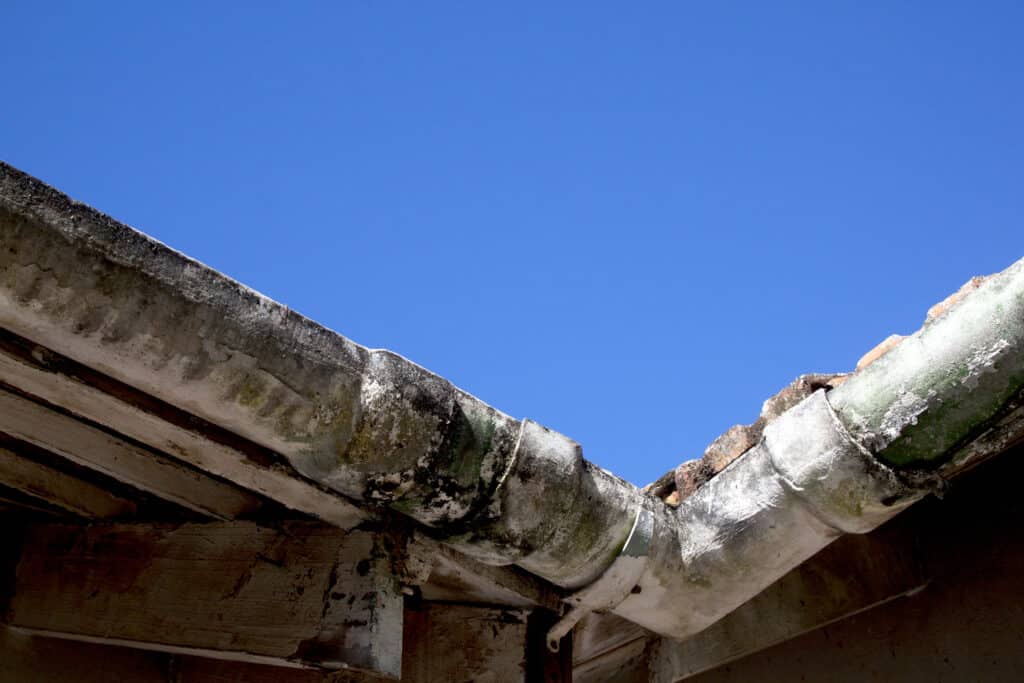
upward view of corner of moldy neglected asbestos guttering. Remove Tiger Stripes

What Causes Tiger Stripes on Gutters?

Contrary to popular belief, tiger stripes are not the result of a poor paint job or protective finish. Affecting gutters more than roof tiles, tiger stripes are caused by the buildup of debris inside of gutters and spilling over the side. This accumulation can include anything: dirt, pollen, chimney fumes or other airborne pollutants, tree sap, insecticide, and mildew. When combined with moisture, either from dew or rain, this debris forms a slimy black or brown sludge and trails down the side of gutters. These stripes may even continue down the fascias and siding.

The Trouble with Tiger Stripes

Sometimes when dirt or other debris sticks to a home, it is concealed by dark and textured brick or asphalt tiles. Gutters, on the other hand, catch no such break. Because gutters are usually white or silver, tiger stripes are plainly obvious and even eye-catching. The contrast is a sure way to reduce a home’s curb appeal.

A perhaps worse problem is that if you do not remove tiger stripes in a timely manner, they can actually stain your siding and gutters. This happens in one of two ways: either the dark grime seeps into the material and permanently discolors it or the area around the stripes is bleached by regular sun exposure while the material under the stripes is not. Either way, it is important to remove tiger stripes quickly to avoid permanent evidence of them. 
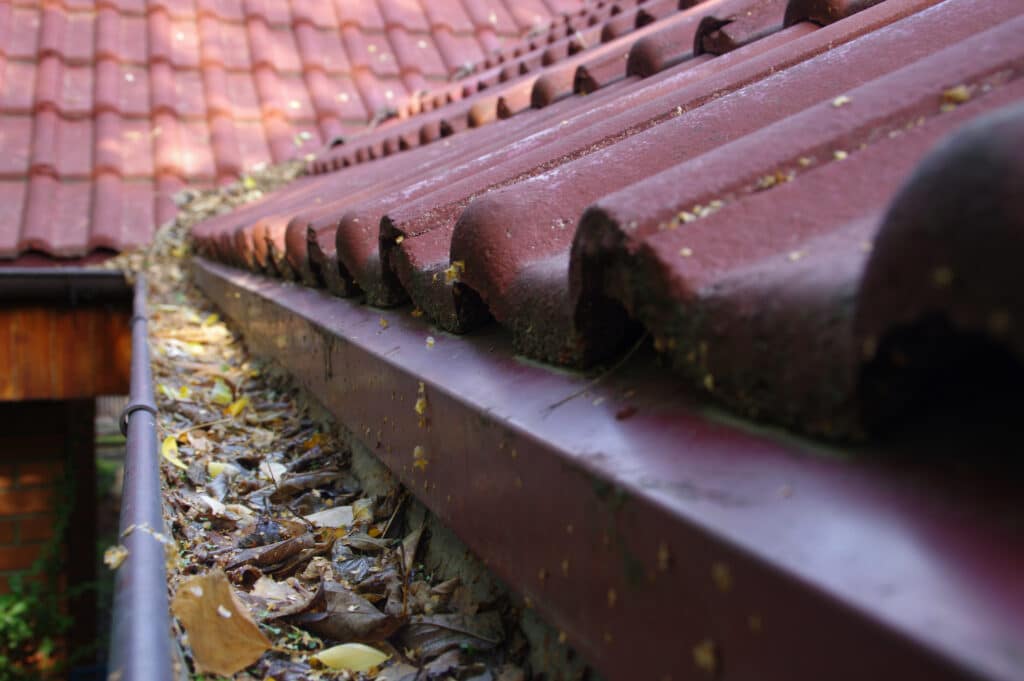
Clogged gutter through the leaves. Spring and autumn cleaning of the roof gutter. Remove Tiger Stripes

How Do You Get Rid of Tiger Stripes on Gutters?

As ugly as they are, it can be tempting to try and remove tiger stripes with all the elbow grease you possess. This is actually not a good idea. If you attack tiger stripes too vigorously, you actually risk damaging your gutters and siding. For this reason, you should not use a hard or metal brush. A soft brush or rag is a much better choice.

Take it easy as you apply the cleaner to your gutters. Too much force will reduce your gutter’s glossy finish to a soft satin and may even wear the aluminum too thin. While you should be careful, you should also be thorough, inspecting the inside of your gutters for stripes as well. They may have started on the inside before running over the outside edge, or run down both edges at the same time. 

If you are nervous about climbing up on the ladder to remove tiger stripes, look for a wand or other extension to help you reach your gutters from the ground. Safety should always come first, and if you are really nervous, you can reach out to the professionals to make your tiger stripes a thing of the past.

What Is the Best Cleaner to Remove Tiger Stripes?

The cleaner you use to remove tiger stripes is very important. You want something that will cut through the dirt and grime without damaging your gutters or siding. As a general rule, a non-abrasive household detergent cleaner should do the trick. If you decide to use a commercial gutter cleaning solution, make sure it doesn’t have ammonia, paint removers, or other abrasive solutions. 

That being said, sometimes you need a little extra “umph.” More problematic stripes should be treated with more heavy-duty cleaning products as long as they won’t erode the aluminum. If your tiger stripes contain mildew or mold, they will need to be treated with germicides like bleach to make sure they don’t perpetuate damage or respiratory problems.
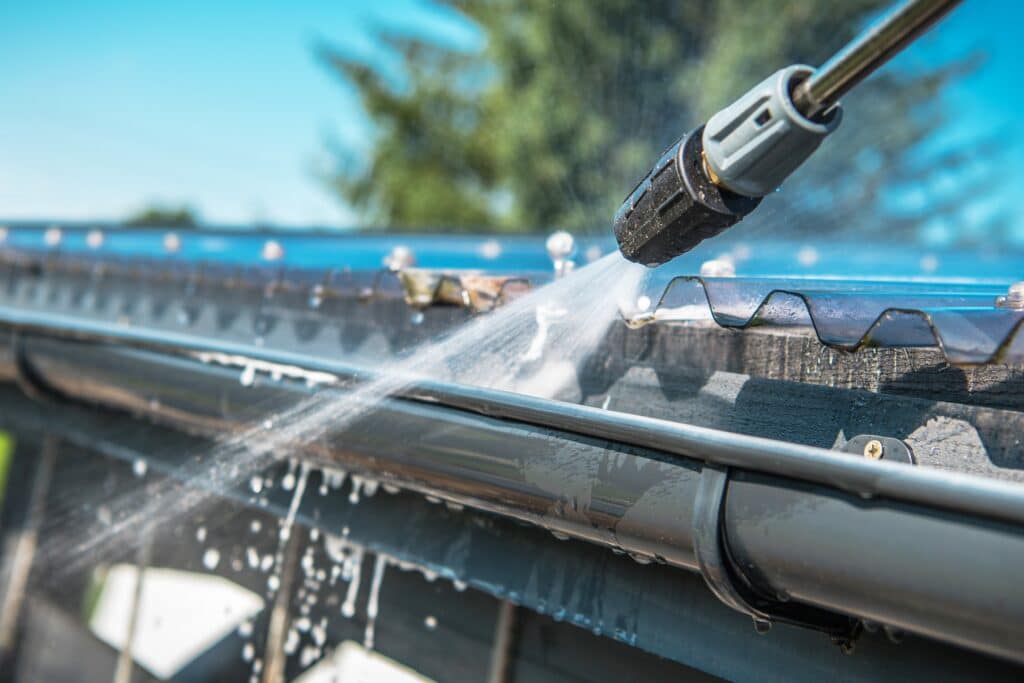
Spring Rain Gutters Cleaning Using Pressure Washer. Closeup Photo. Remove Tiger Stripes

Preventing Tiger Stripes

An even better alternative to removing tiger stripes is preventing them in the first place. Covering your gutters so debris rolls off instead of accumulating is a great start. Another is cleaning your gutters (both inside and out) at least once a year. Pressure washing your gutters is an effective way to do so while saving you a lot of time and energy. There is an art to pressure washing gutters. Usually soft washing is recommended to avoid damaging soft roofing tiles. Alternatively, you can stick to washing them by hand, but pressure washing (especially professional pressure washing) is a more efficient and powerful way to keep tiger stripes at bay.

Filed Under: Power Washing

Pressure washing is a relatively quick and effective way to clean a home. It boosts a property’s curb appeal and clears away mold, mildew, and dirt that can gradually eat away at the home’s structure. Unfortunately, too often the pressure washing process results in damage to shrubs and other plants around the home. If you want to protect your plants, even during a pressure wash, take the following precautions.

Old man`s hands holding young plant in the rain. Ecology concept. Protect Your Plants

The Proper Mix

Pressure washing is not just a matter of spraying pressurized water at a building. The process also involves laying down a coat of cleaning solutions to eat away at grime and debris before rinsing it off. Some of these chemicals, especially bleach, can be harmful to the greenery surrounding your home. 

The trick is to find cleaning solutions that are environmentally friendly. There are many commercially-available detergents that fit such a description. It is also wise to dilute the cleaning solution down. Try a ratio of 10:1 water:detergent. You can also protect your plants by adding a neutralizing agent to your cocktail of cleaners. These balance out the chemicals used to clean. 

Unfortunately, sometimes bleach is necessary to kill harmful biological agents such as mold and other fungus. If you need to use bleach in your pressure wash, you can still help protect your plants by adding a surfactant to the mixture. These components improve the adherence of bleach on the building itself, minimizing runoff into your flowerbed. Because of this property, surfactants also reduce the amount of bleach required for a good clean.

Rinse and Repeat

Water is obviously a big part of the pressure washing process. While it may seem like a risk to add more into the bargain, believe it or not, rinsing both before and after a pressure wash is one of the most powerful ways to protect your plants during the process. 

Fresh leaves with water drops. Natural background. Protect Your Plants

You may be a bit incredulous at the suggestion to rinse your plants before pressure washing, but doing so will saturate your plants so they don’t absorb the chemically-treated water of the wash. Rinsing will also dilute the chemicals further before they interact with the plant itself. You can use something as simple as a garden hose to pre-soak your property’s plants. 

Rinsing after a pressure wash is also vital. Cleaning solutions left on your plants run the risk of chemically burning them, leaving brown patches. Runoff from bleach leaves salt behind that actually dehydrates plants by impeding their ability to soak up water. Rinsing residual salts away negates this problem.

Once the cleaning solutions used in a pressure wash dry, they generally become inert. That being said, if they are not allowed to dry—for example, if it rains within days of the wash—those chemicals will stay active longer, increasing the risk that they run off into your landscaping. Minimize the problem by diluting with a rinse. 

Take Cover

Covering plants has long been a go-to method of protecting plants during a house wash. However, there are risks to this process. Plants that remain covered for too long can suffocate as their carbon dioxide supply is cut off. They can also overheat as a result of the greenhouse effect that is produced under a tarp in the sun. Lastly, if you are not cautious, covering your plants with a tarp may cause chemical runoff to pool at their root systems. 

The way to protect your plants even when employing the use of tarps is to be quick and efficient with them. Cover only the sections of your flower beds that are in close proximity to the portion of the property being cleaned. As soon as the wash in that area is finished, remove the tarps to the next section. The process is tedious and time consuming, but it will give your plants a fighting chance. 

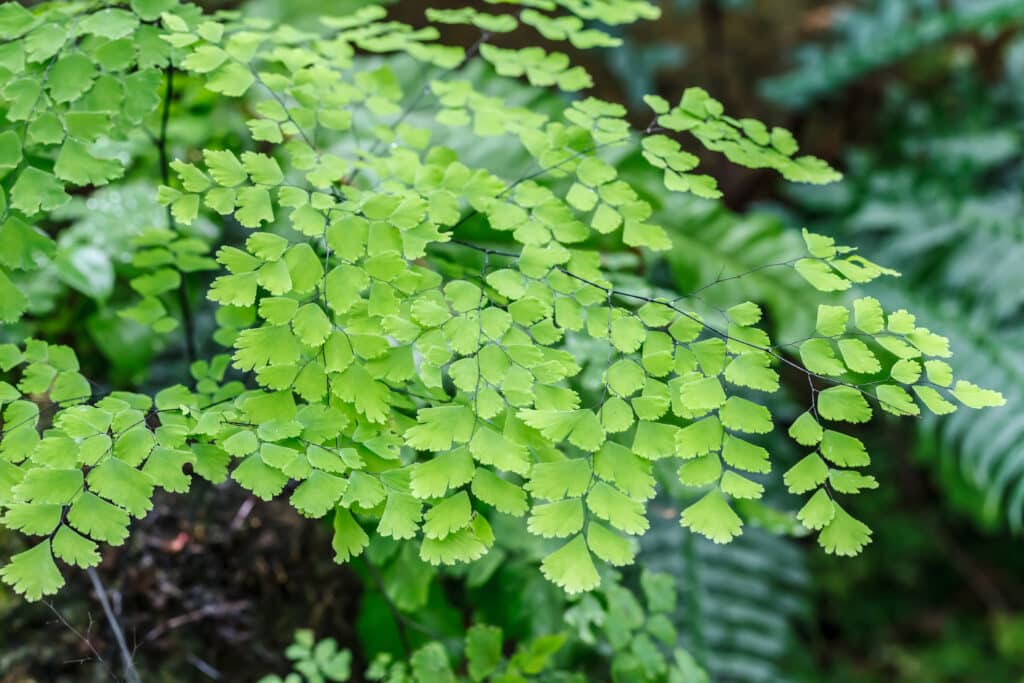
Fern plants cover the ground of the natural forest. Protect Your Plants

Redirect The Runoff

The water used in a pressure wash has to have somewhere to go. If you want to protect your plants from damage, the ideal destination for runoff is not among your shrubs. The best way to alter the course of chemically-rich runoff is to bag your downspouts. This removes the contaminated water from the picture entirely: once the process is finished, you can simply remove the bags and dispose of them. Alternatively, you can use a bucket to catch the unwanted water.

Trust Westchester Power Wash to Protect Your Plants

If you want to make sure all these methods to protect your plants are followed properly, the best way is to entrust the process to the professionals. As we pressure wash your property, we will apply all detergent layers from the ground up, creating a barrier to chemical run-off. In addition to providing your home with a sparkling clean, our experienced team will prioritize your plant preservation.

Filed Under: Power Washing

Pavement is a pretty common component of any property. It provides a safe place for people to walk in the area and generally makes a community more inviting. Unfortunately, dirty pavement is common because exterior cement is exposed to everything the elements have to offer. Soiled concrete can affect health, safety, curb appeal, and business if it is not taken care of in a timely and professional manner.

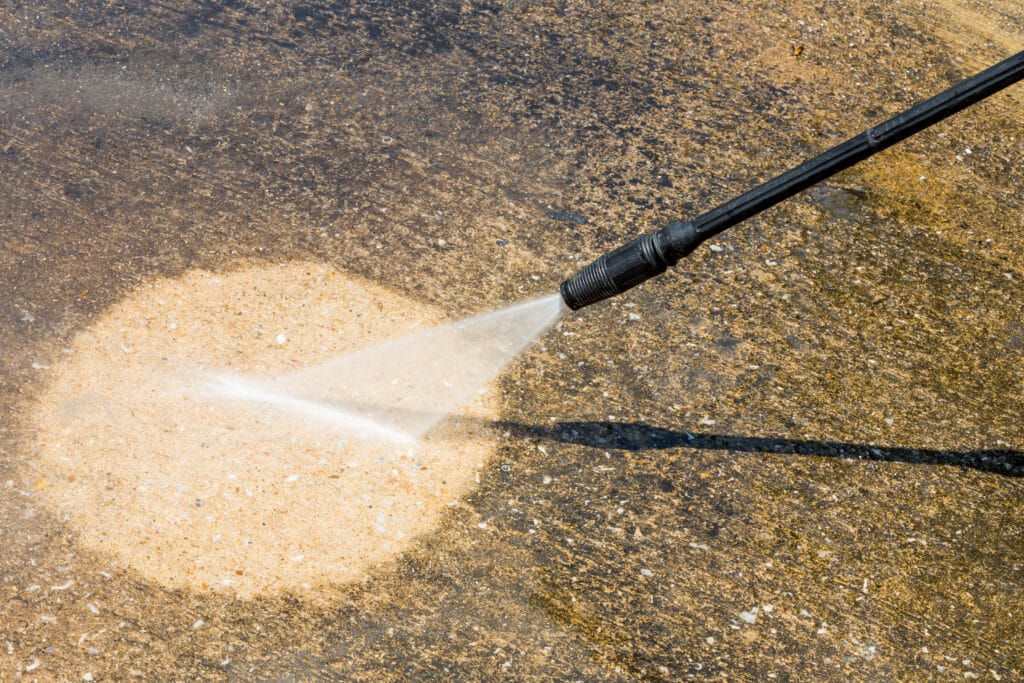
Floor cleaning with high pressure water jet. The Power of Professionally Cleaning Dirty Pavements

The Dangers of Soiled Concrete

Concrete is one of the first things customers and visitors notice when they approach a property. If your pavements don’t look clean, they can seriously hurt your curb appeal in a number of ways. Dirty pavements can lead your guests or potential customers to think that the rest of the property is in ill repair as well, causing you to lose business or potential tenants.

Unsightly concrete can also hurt the moral and work quality of your employees. It has been proven that people work better in places where they feel the working environment is good. Clean pavements directly affect employee morale for the better. 

Even if you don’t own a business, your pavements are speaking for you. Dirty pavements are unsafe in a number of ways, leading to mold growth and perpetuating the presence of other allergens. These can make breathing unsafe and make concrete slippery to walk on. 

Dirty concrete is more susceptible to both staining and other deterioration, including water damage and cracking. Contaminants spread across the pavement’s surface, working their way into the pores and prying them open further. Soiled and stained pavements are significantly more likely to crack or chip.

In this way, dirty pavements can lower the value of the whole property. On the other hand, cleaning your concrete regularly is a great way to extend its lifespan, so making cleaning your pavement a priority is actually the more cost-effective option since you save the expense and inconvenience of repairs.

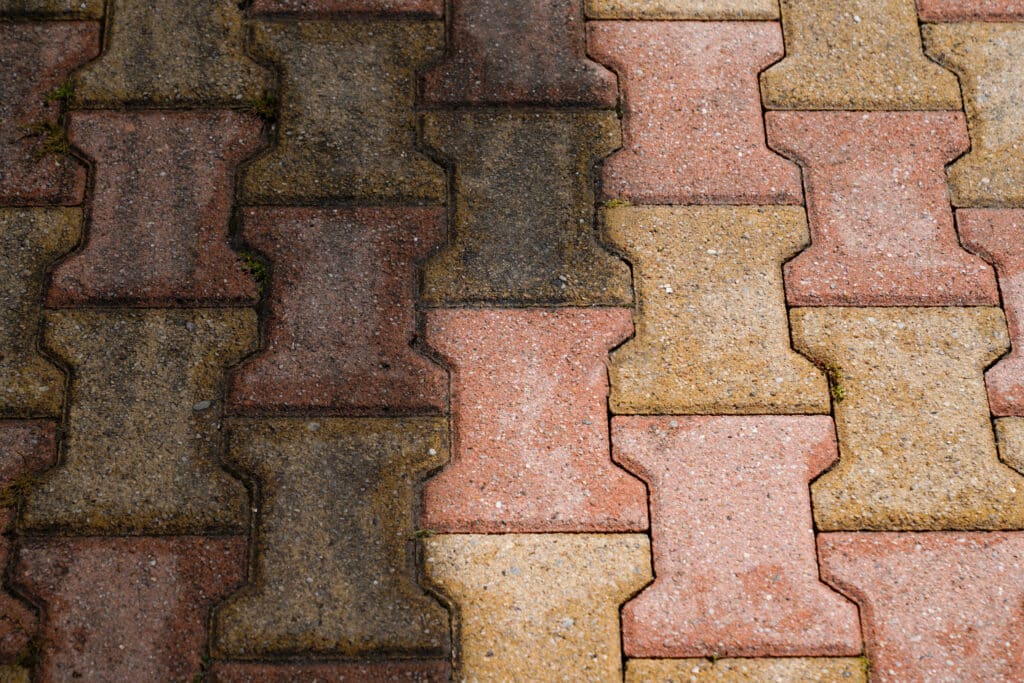
Contrast between auto block slab patio paving slabs floor dirty clean pressured washed before and after cleaning. The Power of Professionally Cleaning Dirty Pavements

How Do You Clean Pavement With a Hose?

One way to clean dirty pavements is with a common garden hose. All you need is a bucket with a cleaning agent like baking soda or quality liquid detergent and some warm water. You can mix these together well and apply them to your dirty concrete with a scrub brush and some elbow grease, rinsing the concoction off with the hose.

This method is initially appealing because most people have all the necessary tools already at hand. However, cleaning pavement by hand is both time- and energy-consuming. It is also not the most effective method. To really give your pavements a thorough clean, pressure washing is the way to go.

Pressure Washing Dirty Concrete

If your pavement is simply a little dusty, cleaning with household cleaners and a hose may be enough. On the other hand, the power behind a professional pressure wash provides more thorough and lasting results for pavements. Some contamination cannot be seen clearly until the surface is cleaned, so you may not even know just how dirty your pavement is until it is washed. 

Pressure washing, when performed properly, is a powerful way to clear away dirt, debris, stains, algae, and mold without damaging the concrete itself. The way it can wash a slate clean is almost magical, tackling even the most stubborn stains. Dirty pavements are no match for a pressure washing machine in the right hands.

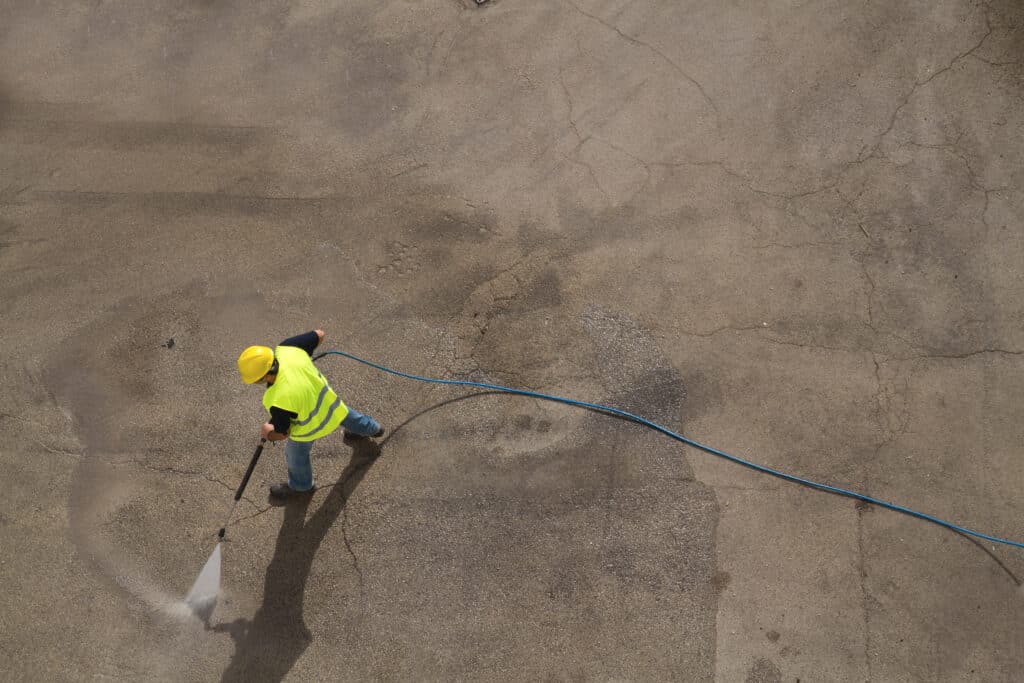
professional pressure washing. The Power of Professionally Cleaning Dirty Pavements

Can Pressure Washing Damage Dirty Pavement?

Often people’s biggest concern about pressure washing is that it will damage their property. This is a valid concern. The wrong pressure settings or nozzle can chip away at delicate components like roofing tiles and siding and even more hardy materials like concrete. In inexperienced hands, the risk of damaging your property irreversibly with a pressure washer is ever-present. 

That risk is compounded if damage to the concrete is already present. Applying pressure to cracked concrete is a sure way to exacerbate the problem, propagating cracking or chipping. Before you or a professional team begins the cleaning process, cracks should be addressed and repaired. A professional can also help you identify areas that need attention beforehand to minimize damage.

Professional Pavement Cleaning Services

When you let a professional manage your pavement cleaning, you can be sure that the risk of damage is neutralized. An experienced team knows precisely which pressure settings, nozzles, and cleaning solutions to guarantee powerful cleaning results for the concrete on your property. These will last longer than other cleaning treatments, ensuring that your pavements look brighter and cleaner for longer.

Filed Under: Power Washing

  • « Previous Page
  • 1
  • …
  • 9
  • 10
  • 11
  • 12
  • 13
  • …
  • 23
  • Next Page »
main logo
1928 Commerce St.
Yorktown Heights, NY 10598
Phone: (914) 490-8138
Monday 6:00 AM - 9:00 PM
Tuesday 6:00 AM - 9:00 PM
Wednesday 6:00 AM - 9:00 PM
Thursday 6:00 AM - 9:00 PM
Friday 6:00 AM - 9:00 PM
Saturday 6:00 AM - 9:00 PM
Sunday 6:00 AM - 9:00 PM

Westchester Power Washing

Recent Posts

  • Tarrytown Pressure Washing: The Questions That Separate Professionals from Problems
  • Katonah Power Washing: The Company You Stop Worrying About
  • Pleasantville Pressure Washing: 40 Years of Local Knowledge
  • Pound Ridge Power Washing: Why Your Materials Change Everything
  • Briarcliff Manor Pressure Washing: The Spring Ritual That Protects Your Home
  • Scarsdale Power Washing: What Winter Left Behind
  • Hardwood Siding Power Washing in Scarsdale, NY – Amazing Before & After Results
  • Brick Patio Power Washing in Rye, NY – Amazing Before & After Results
  • Protecting Irvington’s Architectural Heritage With Proper Pressure Cleaning
  • The Hawthorne Homeowner’s Guide to Preventive Pressure Washing
  • The October Rule: Pressure Washing Secrets Harrison Homeowners Know
  • Living By The River: Croton’s Unique Power Washing Challenges
  • Chappaqua’s Unspoken Truth: Why Some Homes Always Look Perfect
  • What Bedford Hills Homeowners Should Know Before Winter
  • Why Bedford’s Fall Fundraising Season Demands September Power Washing

Pages

  • Power Washing
    • Pressure Washing
    • Soft Washing
    • Power Washing vs Soft Washing
  • Home Washing
    • Roof Washing
    • Driveway Washing
    • Walkway Cleaning
    • Brick, Stone and Paver Washing
    • Patio and Deck Washing
    • Outdoor Furniture Cleaning
    • Fence Washing
    • Gutter Cleaning
  • Areas Served
  • Gallery
  • About Us
    • Blog
    • Reviews
    • Contact Us

2026 Westchester Power Washing | All Rights Reserved | Privacy Policy | Terms | XML Sitemap | Sitemap | Site by PDM