Scarsdale NY POWER WASHING COMPANY
Power washing, pressure washing, house washing or shampoo, are the best and most affordable way to clean your Scarsdale home’s exterior and roof. Power washing restores your home’s appearance, value and curb appeal. In addition, it cleans your roof, patio, deck, pavers, bricks and siding.
Westchester Power Washing pressure washes your home, sidewalk, driveway, or deck, patio, fence and furniture with expertise. Furthermore, our pressure/ power washing is the best in the Scarsdale, New York area. As well as known for our fast and excellent. We pay attention to detail and leave your home exterior looking new. Additionally, our Power Washing expert, Peter Salotto is the best in the power washing and roof cleaning business in Scarsdale.
Furthermore, Westchester Power Washing is a dedicated Power Washing Company. We work in Westchester, Putnam and Dutchess County, N.Y. Also, we guarantee the best service, competitive pricing and the #1 rated cleaning process.
We’ve been in the power washing business for almost 30 years. Many handyman companies that do power washing and house repair services have bad reputations. Furthermore, we are power-washing experts. Therefore, we provide the best power washing service with the best home clean guarantee in and near Scarsdale. Residential home exterior cleaning is what we do all year long. In addition, our residential cleaning expertise with power washing is the highest rated.
 With Westchester Power Washing, our power washing won’t disturb your trees, shrubs or flower beds. We take pride in our power cleaning work. In addition, we take every precaution to protect your furniture, home, landscape and lawn.
We use a professional grade power washer with eco-safe, environmentally-friendly cleaners. Also, know how to remove algae, oil, dirt and grime off of your concrete, brick, pavers, and stonework. Power washing ensures your Scarsdale home looks great and maintains it’s value.
Call for a Quote Today!
-
1
Pressure Washing
Pressure washing is the process of using pressurized water and detergents to clean surfaces quickly and deeply. It is done using a pressure washer, and these come in many makes and models.Learn More -
2
Soft Washing
Soft washing is a popular technique used to clean surfaces such as roofs, siding, and decks. Soft washing has become an essential service for property owners looking to maintain the appearance and value of their properties.Learn More -
3
Roof Washing
Is your roof looking a little drab? Perhaps you’re starting to notice green or black spots near your gutters. Our superior roof washing services can safely and efficiently freshen up the roof over your head.Learn More
Scarsdale Power Washing + Pressure Washing + Roof Washing
Benefits of professional pressure washing (power-washing) with Westchester Power Washing includes:
- remove dirt, oil stains from home, drive, roof and walkways
- clean and brighten fences, play equipment and yard furniture
- make your home’s exterior cleaner and more sanitary for children
- remove plants and weeds growing where they shouldn’t.
- prepare an area for a painting or staining project.
- Get a home ready to be sold or for remodeling
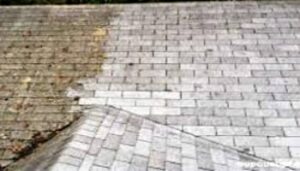 Many people pressure wash their entryways and sidewalks, but have you thought about washing your siding, roof, deck, patio, pool area or driveway? You won’t believe what a big difference it makes in your Scarsdale home’s curb appeal. After power washing your home and property in Scarsdale, New York, we give you our clean home guarantee. This way, your Scarsdale home is clean of dirt, grime, oil, black streaks, lichen, moss, mold and mildew for years to come.
Westchester Power Washing The Best Rated #1 Scarsdale Power Washing Company of Choice
Power washing your Scarsdale, New York home’s siding or wood paint can enhance your home and surrounding structures. Power Washing siding as well as soft washing or roof shampoo is the best way to clean your Scarsdale home. Soft roof washing and power washing your home, siding, deck, patio, fence and pool area to protects your biggest investment and fortifies your home from harmful elements.
Our professional and experienced cleaning with state of the art, commercial grade pressure washing and surface cleaning equipment provides outstanding exterior cleaning results.
When was the last time you power washed or pressure washed your Scarsdale home’s exterior, roof or siding?
Mold, mildew, dirt, moss, mildew, oil and grime can embed in your Scarsdale home’s siding without proper cleaning. In addition, this impacts your Scarsdale home’s curb appeal, value and your health. In addition, it could affect your insurance policy.
Scarsdale, NY 10583- Power Washing Company
Westchester Power Washing provides Scarsdale residential homeowners FREE House, Roof, Siding, Deck, Sidewalk and Patio pressure cleaning estimates and quotes- call 914-490-8138.
If you want to contact directly on our website click here.
Westchester Power Washing is an Scarsdale licensed and insured home exterior roof and pressure washing company since 1990. We pressure wash and shampoo homes, roofs, patios, decks and and siding in Westchester, Putnam and Dutchess County, NY.
If you are looking for a pressure washing or power washing company in or near you in Scarsdale, call Westchester Power Washing at 914-490-8138.
Text for a Quote Today!
Areas We Serve
- Amawalk 10501, 10598
- Ardsley NY 10502
- Armonk NY 10504
- Bedford NY 10506
- Bedford Hills NY 10507
- Briarcliff Manor 10510
- Chappaqua NY 10504, 10514, 10549
- Brewster NY 10509
- Bronxville (10552, 10708)
- Carmel Hamlet (10512)
- Cortlandt Manor NY 10567
- Cross River (10518)
- Croton on Hudson NY 10520
- Dobbs Ferry NY 10502, 10522
- Eastchester NY 10583, 10707, 10708, 10709
- Goldens Bridge NY 10526, 10536
- Harrison NY 10528, 10573, 10577, 10580, 10604, 10605
- Hartsdale NY 10530, 10583, 10606, 10607
- Hastings On Hudson (10706)
- Hawthorne NY 10532, 10594, 10595
- Hopewell Junction NY 12533
- Irvington NY 10503, 10533, 10607
- Katonah NY 10536
- Larchmont NY 10538
- Mahopac NY 10541
- Mamaroneck NY 10538, 10543
- Millwood NY 10546, 10562
- Mohegan Lake NY 10547, 10567, 10588
- Montrose NY 10548
- Mt. Kisco NY 10549
- New Rochelle NY 10804, 10801, 10802
- New Rochelle NY 10803, 10805
- North Salem NY 10560
- Ossining NY 10520, 10545, 10562
- Pelham (10553, 10803)
- Pelham Manor (10803)
- Pleasantville NY 10570
- Pound Ridge NY 10576
- Purchase NY 10577
- Putnam Valley NY 10579
- Rye NY 10580
- Rye Brook NY 10573, 10604
- Scarsdale NY 10583
- Sleepy Hollow NY 10591
- Somers NY 10589
- South Salem NY 10590, 10597
- Tarrytown NY 10533, 10591
- Thornwood NY 10570, 10594, 10595
- Tuckahoe (10707)
- Valhalla NY 10504, 10532, 10594, 10595
- Waccabuc NY 10597
- West Harrison 10577, 10604
- White Plains NY 10601,10602,10603
- White Plains NY 10604,10605
- White Plains NY 10606,10607
- Yorktown Heights NY 10598